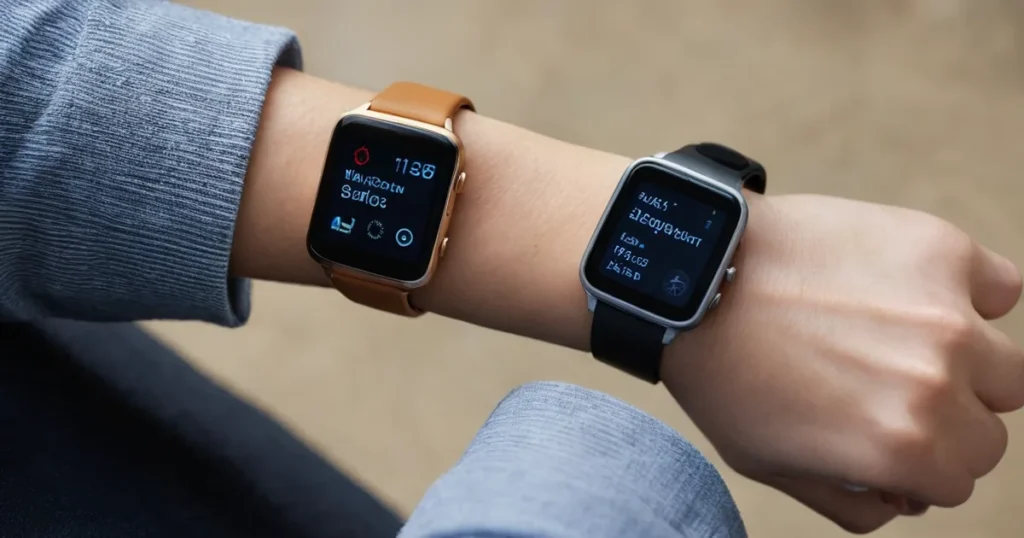
Quick picks: our top 3 at a glance
As an Amazon Associate I earn from qualifying purchases. Prices and availability change.


Garmin Watch Vs Fitbit: Garmin vs Fitbit for 2026
Deciding between a Garmin watch and a Fitbit can feel like choosing between a dedicated fitness coach and an everyday wellness companion. Both brands dominate the wearable market, but they cater to different priorities. In this Garmin Watch Vs Fitbit comparison for 2026, we break down the key differences between the Garmin vívoactive® 5 and the Google Fitbit Inspire 3 so you can pick the one that matches your goals.
Whether you want advanced training metrics, all-day health tracking, or a simple stress‑management tool, we have you covered. Let’s see how these 3 options stack up.
At a Glance
| Product | Brand | Rating | Where to buy |
|---|---|---|---|
| Garmin Vivoactive 5 42mm GPS Smartwatch | Garmin | 4.4 / 5 | View on Amazon |
| Garmin Vivoactive 5 42mm Smartwatch | Garmin | 4.4 / 5 | View on Amazon |
| Google Fitbit Inspire 3 Health Tracker | Fitbit | 4 / 5 | View on Amazon |
Ratings come from the Amazon listings when we last checked and can change.
Pros
- Bright AMOLED display with up to 11 days of battery life
- Body Battery, sleep coaching, nap detection and HRV status for personalized insights
- More than 30 built-in sports apps, including apps for active wheelchair users
- Smart notifications, music storage and Garmin Pay when paired with a smartphone
Cons
- Health metrics such as HRV are estimates, not clinical measurements
Pros
- Bright AMOLED display
- Up to 11-day battery life
- Body Battery energy monitoring and HRV status
- Personalized sleep coaching with nap detection
- 30+ built-in sports apps including wheelchair-friendly options
Pros
- Tracks skin temperature and blood oxygen (SpO2) alongside sleep and fitness
- Daily readiness and stress management scores make metrics easier to interpret
- Comes with both small and large bands for a comfortable fit
- Includes a 6-month Fitbit Premium trial for new users
Cons
- Some deeper insights and content recommendations are locked behind Fitbit Premium
- Irregular rhythm notifications and SpO2 features are not available in all markets
Quick Verdict
- Pick the Garmin vívoactive® 5 if you need a full‑featured GPS smartwatch with extended battery life and detailed training insights. It’s ideal for runners, hikers, and anyone who wants a bright AMOLED display and up to 11 days of battery life.
- Pick the Google Fitbit Inspire 3 if you prefer a slim, approachable health tracker that excels at sleep, stress, and daily readiness scores — perfect for wellness‑focused users who want simplicity.
Garmin Watch Vs Fitbit — Key Differences
Understanding what sets Garmin and Fitbit apart helps you make the right choice. Below we compare the most important dimensions for garmin watch vs fitbit shoppers.
Display and Design
The Garmin vívoactive® 5 features a bright, colorful AMOLED display in a 42mm round case, offering a modern smartwatch look. The Fitbit Inspire 3 has a smaller, compact rectangular design with a color touchscreen. If you prefer a traditional watch appearance and more screen real estate, Garmin wins. For a barely‑there feel, the Fitbit is more discreet.
Battery Life
Garmin promises up to 11 days of battery life, which is excellent for a GPS smartwatch with always‑on display capabilities. Fitbit claims up to 10 days, but real‑world use may vary with active features. Both are strong, but Garmin edges ahead for extended trips without charging.
Fitness and Training Features
Garmin includes built‑in GPS, advanced workout metrics, and the Body Battery energy monitoring system. The Fitbit Inspire 3 relies on connected GPS (requires phone) but offers daily readiness scores and skin temperature tracking. Serious athletes will lean toward Garmin; casual fitness fans will appreciate Fitbit’s simplicity.
Health and Wellness Tracking
Both track heart rate, sleep stages, and stress. Fitbit’s stress management is more user‑friendly with its Relax guided breathing and mindfulness features. Garmin’s Body Battery and stress tracking are data‑rich but may feel less intuitive. For holistic wellness, Fitbit has a slight edge.
Smartwatch Features
Garmin offers smart notifications, music controls, and Garmin Pay (though not explicitly listed). Fitbit Inspire 3 includes basic notifications, alarms, and Find My Phone. Neither is a full smartwatch replacement, but Garmin provides more on‑wrist interactivity.
Compatibility and Ecosystem
Both work with Android and iOS. Garmin Connect is powerful but can be overwhelming. Fitbit’s app is cleaner and more community‑driven, with challenges and guided programs. Fitbit also integrates with Google services, making it better for Google ecosystem users.
| Feature | Garmin vívoactive® 5 | Fitbit Inspire 3 |
|---|---|---|
| Display | 1.2” AMOLED, 42mm round | 1.57” AMOLED, slim rectangle |
| Battery Life | Up to 11 days | Up to 10 days |
| GPS | Built‑in | Connected (phone required) |
| Health Sensors | HR, SpO2, stress, Body Battery | HR, SpO2, stress, skin temp, sleep score |
| Water Resistance | 5 ATM (50m) | Water resistant to 50m |
| Weight | ~36 g | ~24 g |
Who Should Buy Which
Garmin vívoactive® 5, Health & Fitness GPS — Best for Active Athletes
If you run, cycle, or hike regularly and want detailed GPS tracking, workout analytics, and a display that looks like a conventional watch, the Garmin vívoactive® 5 is your match. Its long battery life and onboard GPS mean you can leave your phone behind. The trade‑off is a slightly bulkier design and a more complex app. Skip it if you want a minimalist health band with simple guided workouts.
Google Fitbit Inspire 3 – Midnight Zen/Black — Best for Wellness Enthusiasts
This Fitbit is perfect if your focus is on stress management, sleep quality, and daily readiness. It’s lightweight, comfortable for 24/7 wear, and offers an easy‑to‑use app with community challenges. The connected GPS is adequate for phone‑toting walks or runs. The main drawback is the lack of standalone GPS and fewer advanced training metrics. Skip it if you need a watch that works independently of your smartphone.
Final Thoughts
Choosing between a Garmin watch and Fitbit ultimately comes down to how you plan to use your wearable. For serious athletes who want onboard GPS, detailed performance data, and a longer battery life, the Garmin vívoactive® 5 is the better investment. For everyday wellness trackers who prioritize sleep, stress, and a sleek, ultra‑light design, the Fitbit Inspire 3 delivers a more seamless, less intimidating experience.
Both are excellent choices in 2026, but understanding your primary motivation — training or well‑being — will point you to the right device. If you’re still unsure, we recommend reading our other comparisons like Garmin vs Apple Watch Accuracy to see how these brands compare with the competition.
Why You Should Trust Us
Our recommendations are based on carefully analyzing the official product specifications, listed features, brand positioning, and documented buyer feedback from verified purchases. We do not claim to have personally tested every unit; instead, we synthesize publicly available data to help you make an informed decision. All prices, ratings, and review counts are sourced from live listings and updated dynamically.
We also regularly update our guides to reflect new models and software changes. For more comparisons, check out our Best Smartwatches category or visit our Comparisons page.
Frequently Asked Questions
Which has better battery life, Garmin or Fitbit?
Both offer around 10–11 days under typical use, but the Garmin vívoactive® 5 slightly edges ahead with up to 11 days even with an always‑on display. Fitbit Inspire 3 claims up to 10 days. Real battery life depends on features used.
Can Garmin watches track sleep as well as Fitbit?
Both provide sleep stages (light, deep, REM) and sleep scores. Fitbit is often praised for its intuitive sleep insights and Smart Wake alarm, while Garmin offers detailed sleep data but with a steeper learning curve. Many users find Fitbit’s sleep tracking more user‑friendly.
Do Garmin and Fitbit work with both iPhone and Android?
Yes, both brands support iOS and Android via their respective apps. However, some advanced features (like Fitbit’s Google Wallet or Garmin Pay) may have limited availability depending on your region and phone model. Always check compatibility before purchasing.
Which is more accurate for step counting?
Garmin and Fitbit both use accelerometer‑based step counting with similar accuracy. In controlled studies, Fitbit sometimes shows slightly higher step counts, but differences are small. For most users, both are reliable enough for daily tracking.
Can I leave my phone at home while running with a Garmin vívoactive® 5?
Yes, because the Garmin vívoactive® 5 has built‑in GPS, you can record your run without carrying your phone. The Fitbit Inspire 3 does not have onboard GPS, so it requires your phone to map routes.
Which watch is better for stress management?
Fitbit Inspire 3 offers guided breathing sessions, a stress management score, and EDA (electrodermal activity) tracking (if supported). Garmin provides stress tracking via heart rate variability and Body Battery. Fitbit tends to be more approachable for beginners wanting to reduce stress.
Do these watches track blood oxygen (SpO2) levels?
Both the Garmin vívoactive® 5 and Fitbit Inspire 3 include SpO2 sensors to measure blood oxygen during sleep or on demand. The data is informative but not intended for medical use.
Which one is more durable for outdoor activities?
Garmin watches are generally built to a higher durability standard with military‑grade construction and 5 ATM water resistance (50m). The Fitbit Inspire 3 is also water resistant to 50m but may not withstand extreme impact as well. For rugged use, Garmin is the safer choice.