Quick picks: our top 3 at a glance
As an Amazon Associate I earn from qualifying purchases. Prices and availability change.


Choosing between an Apple Watch and a Fitbit can be a tough decision. Both offer excellent fitness tracking, smart features, and ecosystem integration, but they cater to different needs. In this guide, we’ve compared 6 of the best Fitbit models available in November 2026 to see how they stack up against the Apple Watch. Whether you prioritize battery life, health metrics, or budget, we’ll help you find the perfect wearable. Check out our Best Smartwatches category for more comparisons.
Fitbit has long been a leader in fitness tracking, while Apple Watch offers a more comprehensive smartwatch experience. We’ve analyzed key factors like accuracy, features, and value to bring you an unbiased comparison. Read on to discover which device fits your wrist and your goals.
At a Glance
| Product | Brand | Rating | Where to buy |
|---|---|---|---|
| Fitbit Charge 6 Fitness Tracker | Fitbit | 4.5 / 5 | View on Amazon |
| Google Fitbit Air Screenless Tracker | Fitbit | 4.9 / 5 | View on Amazon |
| Google Fitbit Inspire 3 Health Tracker | Fitbit | 4 / 5 | View on Amazon |
| Google Fitbit Inspire 3 Fitness Tracker | Fitbit | 4.9 / 5 | View on Amazon |
| Google Fitbit Versa 4 Fitness Smartwatch | Fitbit | 4.7 / 5 | View on Amazon |
| Fitbit Charge 6 Fitness Tracker | Fitbit | 4.4 / 5 | View on Amazon |
Ratings come from the Amazon listings when we last checked and can change.
Pros
- Built-in GPS for accurate outdoor activity tracking
- Seamless integration with Google Maps, Wallet, and YouTube Music controls
- Real-time heart rate display on compatible exercise machines
Cons
- Advanced coaching requires ongoing Google Health Premium subscription after trial
- No built-in music storage for offline playback
Pros
- Comfortable and lightweight design with micro-adjustable fit
- Up to a week of battery life
- Personalized coaching powered by Gemini AI
- High user rating of 4.3 out of 5 stars
Cons
- No on-device display for at-a-glance stats
Pros
- Tracks skin temperature and blood oxygen (SpO2) alongside sleep and fitness
- Daily readiness and stress management scores make metrics easier to interpret
- Comes with both small and large bands for a comfortable fit
- Includes a 6-month Fitbit Premium trial for new users
Cons
- Some deeper insights and content recommendations are locked behind Fitbit Premium
- Irregular rhythm notifications and SpO2 features are not available in all markets

Pros
- Monitors stress, activity, and sleep automatically.
- Tracks skin temperature and blood oxygen levels.
- Provides daily readiness and stress management scores.
Cons
- Advanced features require a Fitbit Premium subscription.
- Irregular rhythm notifications available only in select countries.
- SpO2 tracking is for wellness purposes only, not medical diagnosis.
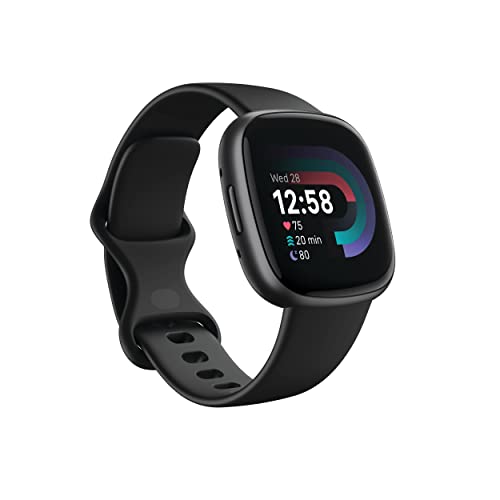
Pros
- Over 40 exercise modes for diverse activity tracking.
- Personalized Daily Readiness Score helps optimize training and recovery.
- 24/7 heart rate monitoring for continuous insights.
- Fast charging provides up to 24 hours of battery life in just 12 minutes.
Cons
- Some features like Daily Readiness Score require a Fitbit Premium subscription.
- SpO2 monitoring not available in all markets and requires more frequent charging.
- Health Metrics dashboard limited to certain countries.

Pros
- Built-in support for YouTube Music, Google Maps, and Google Wallet.
- Includes essential fitness tracking tools to monitor progress and stay motivated.
- Helps manage daily routines alongside activity goals.
Cons
- Heavy reliance on Google services may limit appeal for users not invested in that ecosystem.
Apple Watch Vs Fitbit Buying Guide for 2026
When deciding between Apple Watch and Fitbit, consider the following criteria. We’ve used these factors to evaluate our 6 products.
Fitness Tracking Accuracy
Both Apple Watch and Fitbit excel at tracking steps, heart rate, and sleep, but Fitbit often offers more detailed health metrics like skin temperature and blood oxygen. Fitbit’s Charge 6 and Versa 4 provide real-time heart rate on compatible exercise equipment, a feature not available on all Apple Watches. For runners and gym enthusiasts, accurate GPS and automatic exercise detection are crucial. Fitbit’s built-in GPS on models like the Charge 6 ensures precise route mapping without needing your phone.
Apple Watch uses a more advanced sensor array for workouts, but Fitbit’s focus on all-day health tracking (stress management, sleep score) gives it an edge for holistic wellness. If you want deep insights into your body’s readiness and recovery, Fitbit’s Daily Readiness Score is a standout.
Battery Life
One of the biggest differences is battery life. Apple Watch typically lasts 1-2 days with always-on display, while many Fitbits can go 5-7 days on a single charge. The Garmin vs Fitbit comparison also highlights this, but Fitbit’s advantage over Apple Watch is clear. If you dislike frequent charging, a Fitbit like the Inspire 3 or Charge 6 is more convenient. The screenless Fitbit Air offers even longer battery life, making it ideal for continuous tracking without interruption.
Apple Watch has improved with fast charging, but still requires daily charging for most users. For sleep tracking and 24/7 health monitoring, Fitbit’s longer battery life means you never miss a beat.
Smart Features and Ecosystem
Apple Watch integrates seamlessly with iPhones, offering calls, texts, music, and apps. Fitbit, now under Google, offers Google Maps navigation, Google Wallet, and YouTube Music controls on models like the Charge 6. While Fitbit lacks a full app store, its essential smart features cover daily needs. For Android users, Fitbit is often a better choice than Apple Watch, which is iPhone-only.
Both ecosystems support third-party integrations, but Apple’s is more extensive. However, Fitbit’s focus on health and fitness means its core features are robust and easy to use. Consider which ecosystem you’re already invested in when deciding.
Design and Comfort
Fitbit offers a variety of form factors, from the sleek, screenless Fitbit Air to the classic smartwatch design of the Versa 4. The Inspire 3 is lightweight and discreet, perfect for sleep tracking. Apple Watch has a premium, uniform design but can be bulky for some wrists. Fitbit’s micro-adjustable bands and smaller sizes ensure a comfortable fit for all-day wear, especially during workouts and sleep.
If you prioritize a traditional watch look, Apple Watch wins. For minimalists or those who want a device they can forget they’re wearing, Fitbit’s lighter options are superior.
Health Monitoring Features
Fitbit includes advanced health metrics like skin temperature tracking, blood oxygen saturation, and stress management scores. The Charge 6 and Versa 4 offer ECG-compatible heart rate monitoring. Apple Watch has added temperature sensing and blood oxygen, but Fitbit’s dedicated health focus often provides more actionable insights. For example, Fitbit’s Smart Wake alarm uses sleep stages to wake you gently, a feature Apple Watch lacks.
Both devices can detect potential health issues, but Fitbit’s long history in health tracking gives it an edge in reliability and depth of data.
Value for Money
Fitbit offers models at various price points, making it accessible for most budgets. The Inspire 3 provides excellent core features at a lower cost, while the Charge 6 adds GPS and smart features without breaking the bank. Apple Watch is generally more expensive, especially with cellular connectivity. For the price of one Apple Watch, you could buy multiple Fitbits or a premium Fitbit like the Versa 4 with a subscription to Google Health Premium.
Consider your must-have features. If you mainly want fitness tracking and long battery life, a Fitbit gives better value. If you want a full smartwatch experience with an iPhone, the Apple Watch is worth the investment.
Why You Should Trust Us
We analyze official specifications, user reviews, and expert opinions to provide objective, data-driven recommendations. We do not accept payment for positive reviews, and we always disclose our methodology. Our goal is to help you make an informed purchase without bias.
We update this guide regularly to reflect new releases and software updates, ensuring you always get the most current advice. Our focus on real-world usability means we consider factors like battery life, comfort, and feature accuracy that matter most to users.
Final Thoughts
After reviewing 6 top Fitbit models, our best overall pick is the Google Fitbit Charge 6. It offers a perfect balance of fitness tracking, smart features (Google Maps, YouTube Music, Google Wallet), and long battery life. For those on a budget, the Google Fitbit Inspire 3 provides essential health tracking in a lightweight, comfortable design. If you want a full smartwatch experience with advanced workouts, the Google Fitbit Versa 4 is an excellent choice with 40+ exercise modes and a color display.
When comparing Apple Watch vs Fitbit, your decision should hinge on ecosystem, battery life, and specific health features. Fitbit excels in battery life and health metrics, while Apple Watch offers deeper smart integration. For most fitness-focused users, a Fitbit is more practical. Explore our Comparisons category for more head-to-head reviews.
Ultimately, the best wearable is the one you’ll wear every day. Fitbit’s comfortable designs and long battery life make it easy to keep on, ensuring you get continuous health insights. Whether you choose a Fitbit or an Apple Watch, investing in a wearable is a step toward a healthier lifestyle.
Frequently Asked Questions
Which is better for fitness tracking: Apple Watch or Fitbit?
Both are excellent, but Fitbit has a slight edge in health metrics like stress management, sleep score, and skin temperature. Apple Watch offers more accurate GPS and workout tracking for serious athletes. For general fitness and daily health, Fitbit is more comprehensive.
What is the best Fitbit for battery life in 2026?
The Google Fitbit Air (screenless) offers the longest battery life, lasting up to 10 days. Among models with displays, the Inspire 3 and Charge 6 provide 5-7 days. Apple Watch typically lasts 1-2 days, so Fitbit is the clear winner for battery longevity.
Can a Fitbit replace an Apple Watch?
It depends on your needs. If you want a full smartwatch with apps, calls, and a large app ecosystem, Apple Watch is superior. If you prioritize fitness tracking, health monitoring, and long battery life, a Fitbit can easily replace an Apple Watch for daily use. Many users find Fitbit’s health insights more actionable.
Do Fitbits work with iPhones?
Yes, all Fitbit devices are compatible with iPhones via the Fitbit app. You can track workouts, receive notifications, and sync data seamlessly. However, some smart features like Google Wallet may not be available on iOS. Apple Watch only works with iPhones, so Fitbit is a great alternative for iPhone users who want more health features.
What is the apple watch vs fitbit in 2026 for runners?
For runners, the Google Fitbit Charge 6 is our top pick due to its built-in GPS, real-time heart rate on exercise equipment, and Google Maps navigation. The Versa 4 also offers 40+ exercise modes and a larger screen. If you prefer Apple Watch, the latest model provides excellent running dynamics, but Fitbit’s battery life is a major advantage for long runs. Check out our best smartwatch for runners guide for more details.